

You can tap through vocabulary cards for months and still freeze when someone asks, “¿Cómo estuvo tu fin de semana?” That gap between recognizing Spanish and actually using it is why a live online Spanish classes review has to look beyond flashy apps, streaks, and lesson libraries. The real question is simple: will these classes get you talking comfortably with real people?
For many learners, the answer is yes, but only when the course is built around real-time interaction, useful feedback, and a teacher who knows where you are trying to go. A live class is not magic. You still need to show up, speak out loud, and make a few gloriously awkward mistakes. But it can turn Spanish from something you study alone into something you actually use.
What makes live online Spanish classes different?
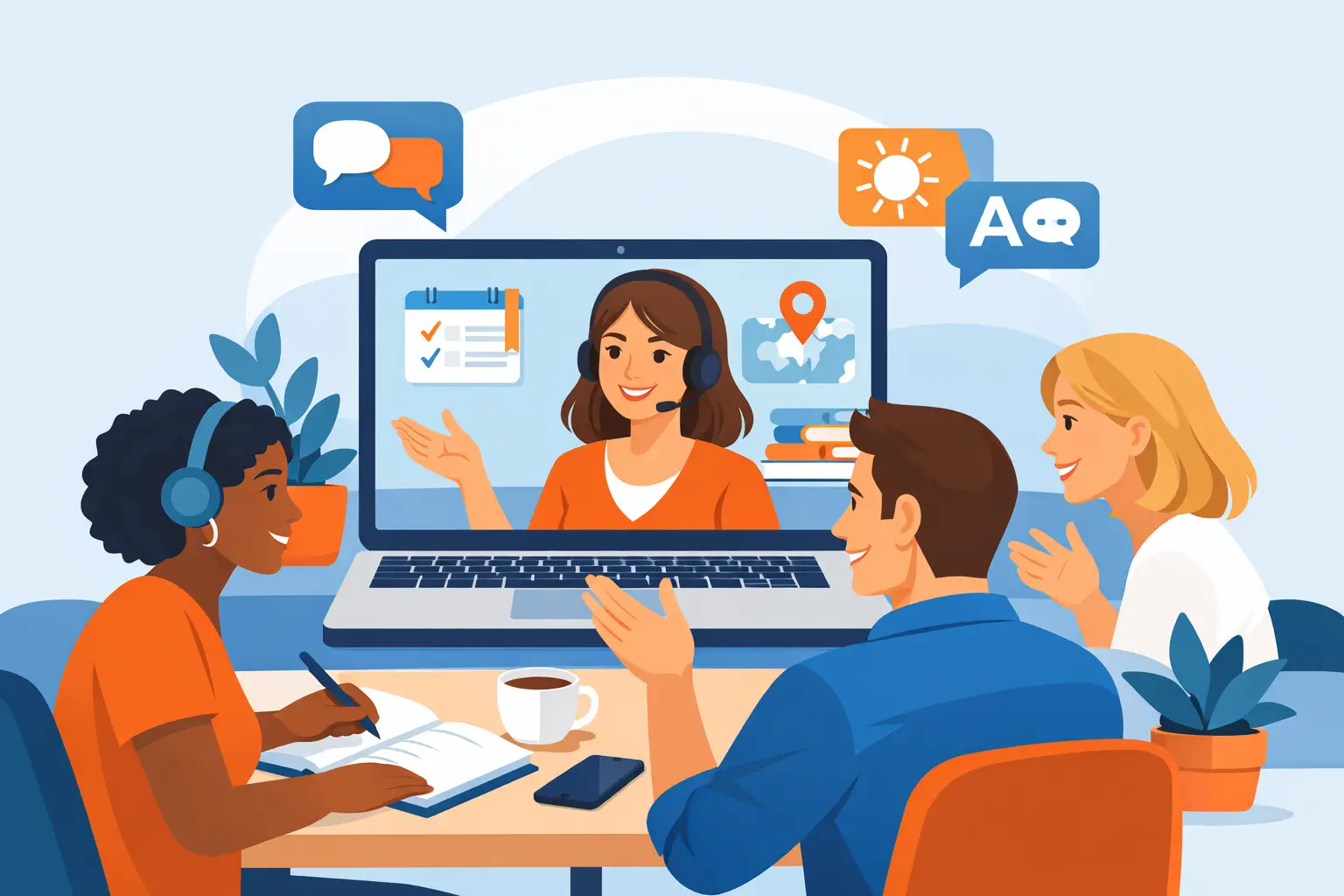
A live class puts a human being on the other side of the screen. That changes everything. Instead of choosing a multiple-choice answer, you have to form a thought, say it, hear a response, and keep the conversation moving. That is much closer to ordering lunch in Mexico City, chatting with your partner’s family, or handling a client call than filling in a blank on an app.
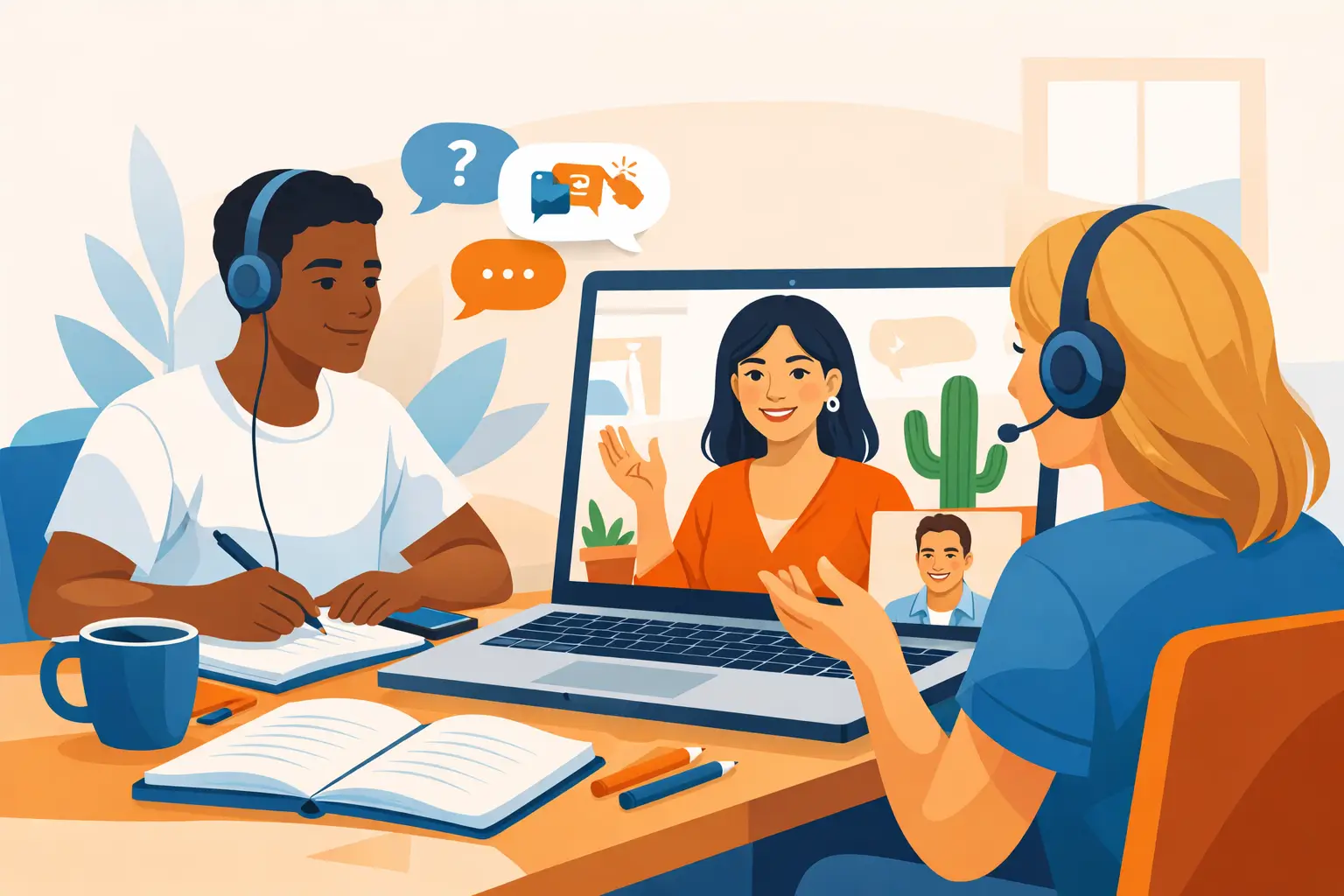
The best classes give you immediate correction without making every sentence feel like a test. A good teacher may let you finish your story, then help you adjust “Yo fue” to “Yo fui” and explain why it matters. More importantly, they help you say what you were actually trying to say, not just what the textbook happened to cover that day.
There is also accountability. When a real instructor expects to see you on Tuesday, it is harder to disappear after a busy week. For adults juggling work, travel plans, family, or school, that regular rhythm can be the difference between good intentions and noticeable progress.
Live online Spanish classes review: what to look for
Not every class labeled “live” delivers the same experience. Some are large video sessions where you mostly listen. Others are conversation exchanges with no structure at all. Both can have a place, but neither is automatically the right fit if your goal is practical, confident Spanish.
A teacher who can personalize the lesson
The strongest programs start by asking why you want Spanish. A traveler preparing for Colombia needs different language from a healthcare worker serving Spanish-speaking patients. Someone dating a Mexican partner may want family conversation, affectionate expressions, and everyday slang. A student preparing for an exam needs more grammar structure and writing support.
Personalization does not mean the teacher makes up random lessons every week. It means there is a clear path, with room to focus on the vocabulary, pronunciation, and situations that matter to you. You should be able to say, “I have a work presentation next month,” and have your next lesson reflect that reality.
Speaking time that belongs to you
A 60-minute session is not automatically an hour of speaking practice. In a large group, you may spend most of the class listening to other students answer. That can be useful for exposure, especially if you are shy, but it is not the fastest route to fluency.
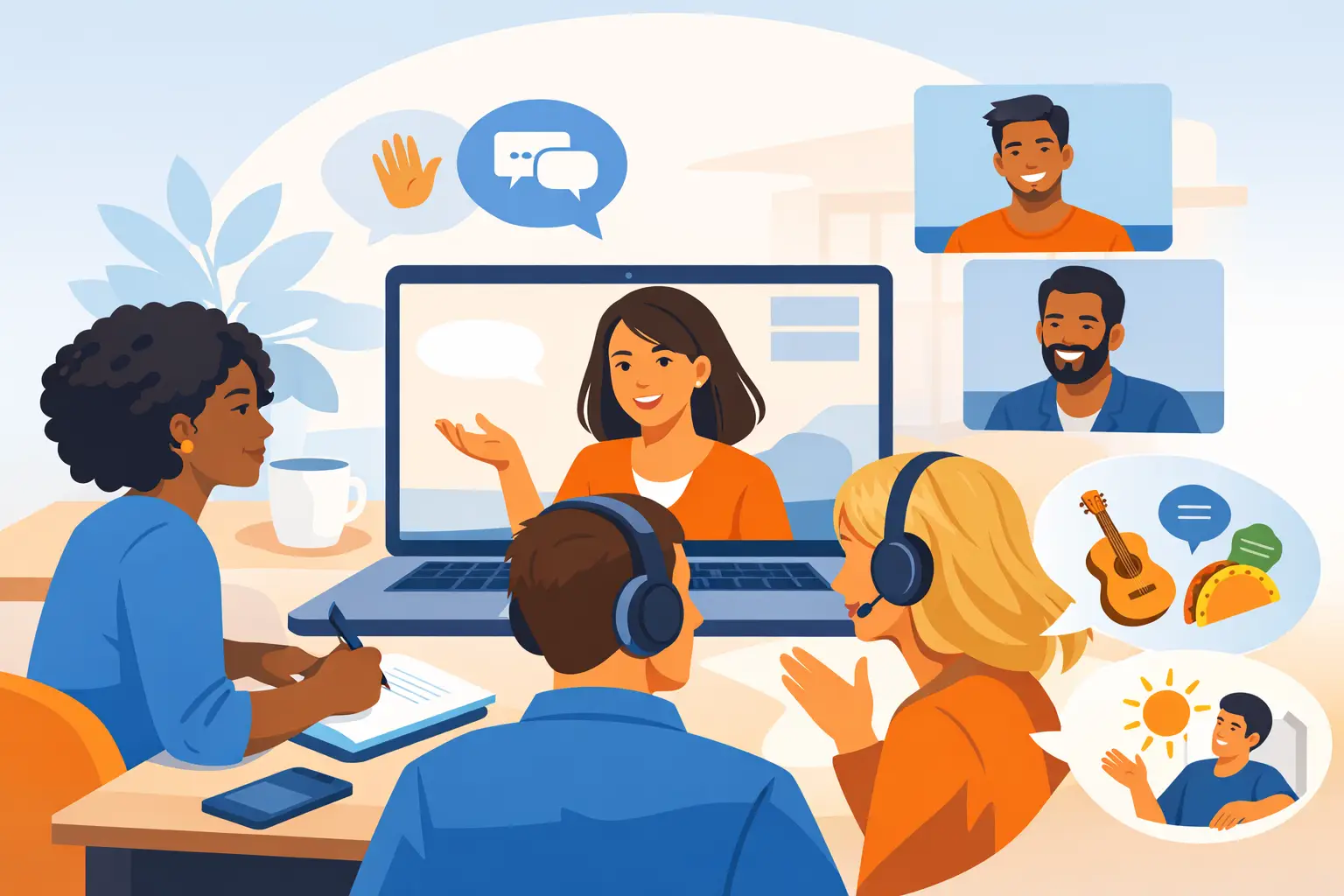
Private lessons usually offer the most speaking time and the most targeted feedback. Small groups can be more affordable and give you useful practice understanding different voices. The trade-off is attention. If you need fast progress for a trip, job, relationship, or relocation, more direct teacher time is usually worth considering.
Latin American Spanish that sounds current
“Spanish” is not one single sound or set of expressions. A course should teach solid grammar that works across countries while helping you understand the Latin American Spanish you are likely to hear in real life.
That includes pronunciation, regional vocabulary, polite versus casual phrasing, and cultural context. For example, knowing that “ahorita” can mean “right now,” “in a little while,” or “not anytime soon” depending on the country and situation can save you some confusion. So can learning when a direct translation from English sounds too formal, too blunt, or simply strange.
Native-speaking teachers bring this knowledge naturally. Bilingual native speakers can add another advantage: they understand the mistakes English speakers commonly make and can explain the fix in plain English when you need it.
Feedback you can use immediately
Correction should be clear, kind, and specific. “Good job” feels nice, but it does not tell you what to repeat or improve. Look for instructors who notice patterns in your errors and give you a practical next step.
Maybe you understand the past tense but avoid it when speaking. Maybe your vocabulary is strong, but English word order keeps slipping into your sentences. A capable teacher catches these habits and builds practice around them. Over time, that makes your Spanish sound more natural without forcing you to memorize grammar rules in isolation.
The honest trade-offs
Live classes ask more of you than an app. You need to schedule them, be present, and speak even when you do not feel ready. If you travel constantly or prefer studying at 11 p.m. in sweatpants, self-paced resources are more flexible. They can also be a helpful low-cost supplement for vocabulary review between lessons.
Live instruction also tends to cost more than a subscription app. You are paying for preparation, expertise, real-time feedback, and a teacher’s attention. Whether that is worth it depends on your goal. If you are casually curious about Spanish, an app may be enough to get started. If you need to hold conversations, understand fast replies, and build confidence, human instruction often offers better value per hour.
Group classes have their own trade-off. They can feel lively and social, but your pace may not match everyone else’s. Private classes are more focused, though some learners miss the energy of practicing with peers. A smart option is to combine structured private coaching with occasional conversation practice, so you get both correction and variety.
Who gets the most from this format?
Live online classes work especially well for learners who already know why Spanish matters to them. Maybe you are planning a long trip through Latin America, communicating with customers, preparing for a university requirement, or trying to stop relying on your bilingual friend at every family gathering. A clear reason gives the teacher something concrete to build around.
They are also a great fit for people who have tried apps and hit a wall. If you can read basic phrases but cannot respond when someone speaks quickly, you do not necessarily need another vocabulary list. You may need guided listening and frequent, low-pressure conversations.
Absolute beginners belong here, too. Starting with a teacher can prevent the frustrating habit of silently learning words without ever learning how to pronounce them. You do not need to know anything before your first class. You just need a willingness to try phrases before they feel perfect.
How to test whether a program is right for you
Before enrolling, ask how lessons are structured and how often you will speak. Find out whether your instructor adapts material to your goals, whether there is a plan for beginners through advanced students, and what happens if you need help between classes.
Pay attention to the first interaction. Do you feel rushed, judged, or like you are being pushed into a generic package? Or does the teacher ask useful questions about your current level, goals, and schedule? The right program should feel organized without feeling rigid.
At AmigoProf, that human side is the point: live instruction with bilingual native Spanish speakers, personalized lessons, and practical conversation that goes beyond textbook phrases. Whether you choose private lessons, a structured course, or phone-based speaking practice, the goal is the same: help Spanish become part of your real life.
Make the class work harder for you
Your progress does not depend on homework marathons. A few simple habits make live lessons far more effective. Bring one real situation to each session, such as an upcoming restaurant visit, a message you want to send, or a conversation you had at work. Ask your teacher to help you say it naturally.
Then reuse new phrases during the week. Say them out loud while walking the dog, record a quick voice note for yourself, or narrate what you are doing around the house. The goal is not perfect practice. It is making Spanish easier to reach when you need it.
The best live class should leave you with more than notes on a screen. It should leave you with a sentence you are excited to use, a mistake you finally understand, and a little more courage to start the next conversation.